 By
By
Australia is known for its passion for recycling and sustainability, and metal recycling plays a big part in that story. When it comes to selling scrap metal, many people often wonder if it is better to sell mixed scrap metals or to go the extra mile and sort the metals first. This question is quite common because the financial outcome can depend on it. However, the answer is not as straightforward as it seems. Mixed scrap consists of different types of metals all jumbled together. This may include steel, aluminium, copper, and brass all mixed up in one lot. On the other hand, sorted metals are separated by type and cleaned of contaminants before selling.
Each kind of metal then gets its own value based on its purity and condition. In Australia, recycling centres and scrap metal dealers generally pay more for sorted metals because they require less processing before reuse. However, collecting, sorting, and cleaning takes extra time and effort. For some, selling mixed scrap might seem easier or quicker.This blog looks at the benefits and drawbacks of both mixed and sorted scrap metals so you can decide which option suits your situation better. It explores how the payment process works, how quality affects pricing, and why sorting metals may make a big difference.
Understanding the Basics of Mixed and Sorted Scrap
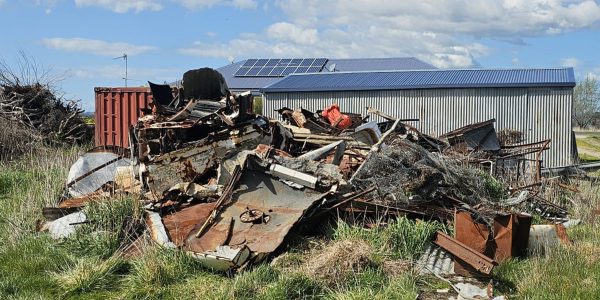
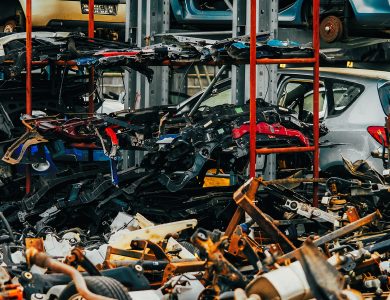
Mixed scrap is basically a mix of various metals collected without separating them first. It could be from construction waste, old appliances, or discarded vehicle parts. This mixed metal scrap usually contains both ferrous metals (those containing iron, like steel) and non-ferrous metals (like copper and aluminium). Because the metals are all combined, the recycling facility needs to put in extra work to separate them using magnets, air classifiers, and other technology.Sorted scrap metals are separated and cleaned by the seller before being sent to a recycling centre or scrap yard. For example, copper wire is stripped of plastic and put in one pile, while aluminium cans and steel sheets go in separate piles. Sorted metals are cleaner and ready to be processed immediately. Sorting scrap metals improves the quality and value of the materials. Recycling yards are happy to pay a bit extra for sorted metals since they reduce their labour costs in processing. Furthermore, sorted metals tend to be recycled more effectively, producing better quality recycled material.
Why Sorted Metals Pay More
One of the main reasons sorted metals pay more is the lower cost of processing on the recycling end. When metals come in mixed, the recycling plant must spend more on separating the metals. This includes manual sorting, use of magnetic separators, eddy current separators, and shredding. These steps add to the total cost of recycling. Sorted metals bypass some or all of this expensive sorting stage. This makes recycling cheaper, so scrap yards often pass on savings to the sellers by paying premium prices. Also, clean and sorted metals can be re-melted easily and turned into new products faster. Another factor is the purity of the metal. Pure metals are more valuable in manufacturing. Contaminated or mixed scrap risks downgrading the quality of recycled metals, which harms their price. For example, copper mixed with low-value metals will pay less compared to clean copper wire.In Australian markets, sorting metals like copper, aluminium, and brass often attract significantly higher payouts because of their high demand and recyclability. Steel scrap is widely available, so the price difference between mixed and sorted steel scrap may be less dramatic but still noticeable.
Advantages of Selling Mixed Scrap
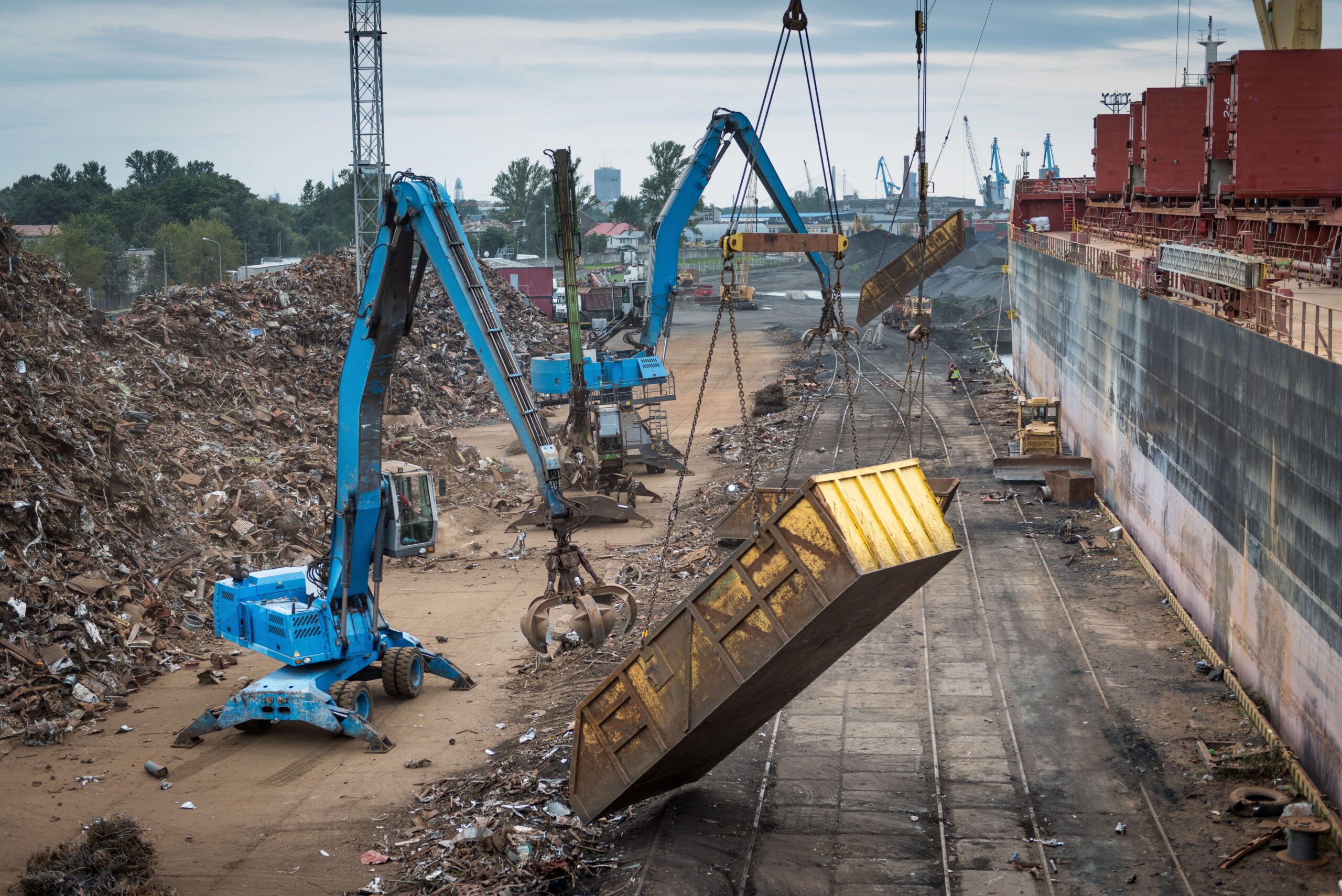
Selling mixed scrap is simpler and faster. If you have a small quantity or don’t want to spend time sorting, this can be a practical choice. Many households or businesses might prefer this method because it involves less labour. Additionally, some local scrap yards accept mixed metals and pay a fair rate considering the convenience offered. The price will be lower than sorted metals, but the savings in time and effort may be worth it. Mixed scrap recycling remains important for reducing landfill waste and conserving natural resources. Advanced separation technology at recycling plants means mixed scrap can still be efficiently processed though at a higher cost.
Factors to Consider When ChoosingQuantity:
Large amounts of scrap may justify the time spent on sorting because the payout difference can be substantial. Smaller loads may not bring much extra money worth the effort.
Type of Metals:
Precious metals like copper and brass benefit most from sorting, while ferrous metals like steel might give less gain.Local Recycling Facilities: Some scrap yards offer better prices for sorted metals, but mixed scrap may still be welcomed elsewhere.
Time and Effort:
Sorting and cleaning metals can be time-consuming. This may not suit everyone.Environmental Values: Even mixed scrap recycling helps reduce waste, but sorting improves overall recycling quality.In the end, both mixed and sorted scrap metals have a place in Australia’s recycling ecosystem. Your choice depends on your circumstances, goals, and willingness to put in extra work for a better price.
Conclusion
In Australia, sorted metals generally pay better than mixed scrap because they require less processing, have higher purity, and can be recycled more efficiently. Recycling centres are willing to pay a premium for clean, separated metals such as copper, aluminium, and brass. Sorting reduces labour and processing costs on their end, which translates into better offers for you. However, selling mixed scrap still has its advantages, especially when convenience and saving time are more important than maximum profit. Many recycling yards accept mixed metals and provide reasonable rates. This option suits people with smaller quantities or those who prefer not to handle manual sorting. Ultimately, the decision comes down to balancing effort and reward. If you have the time and volume, sorting your scrap can earn you noticeably higher returns. If not, mixed scrap still supports recycling efforts and benefits the environment.
Both methods contribute to Australia’s goal of conserving resources, reducing landfill waste, and promoting a circular economy. Whichever option you choose, recycling scrap metals is a positive step towards sustainable living. Making informed choices based on your situation will help you get the best value and contribute to a greener future.