 By
By
Metal recycling is one of the most effective ways to reduce waste and conserve natural resources, yet there is still a surprising amount of confusion around what can and cannot be recycled. A common question people ask is whether rusty or contaminated metal is still recyclable, or if it simply belongs in landfill. The short answer is yes—most metal can still be recycled, even if it is rusty or dirty. However, the reality is more nuanced, and understanding the facts can help you recycle more effectively while also maximising the value of your scrap.
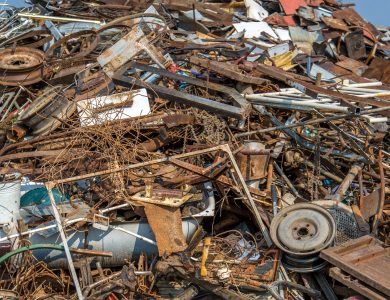
One of the biggest myths surrounding metal recycling is that rust makes metal useless. This idea likely comes from the visual deterioration that rust causes, leading many to assume the material is no longer viable. In reality, rust is simply a surface-level chemical reaction, most commonly affecting iron and steel. While rust can weaken metal over time, it does not eliminate its core properties. Recycling facilities are equipped to process rusty metals by melting them down at high temperatures, which removes impurities and allows the material to be reused. This means that even heavily rusted steel items, such as old tools, pipes, or outdoor furniture, can still be recycled without issue.
Another misconception is that contaminated metal cannot be recycled at all. Contamination can refer to a range of things, including paint, plastic attachments, rubber, oil, or food residue. While it is true that heavily contaminated metal may not be accepted in its current state, this does not mean it is permanently unrecyclable. In most cases, recycling centres have processes in place to separate or remove contaminants during the recycling process. For example, metals coated in paint or mixed with other materials can often be treated or refined to extract the recyclable components. However, the level of contamination can affect both acceptance and pricing, which is why preparation plays an important role.
It is important to understand that not all contamination is treated equally. Light contamination, such as minor dirt or small amounts of residue, is usually not a major issue and will not prevent recycling. On the other hand, hazardous contamination—such as chemicals, oils, or toxic substances—may require special handling or may be rejected altogether by standard recycling facilities. In Australia, strict regulations are in place to ensure that recycling processes remain safe for workers and the environment. As a result, scrap metal that poses a risk may need to be cleaned or processed through specialised channels before it can be recycled.
Rust and contamination can also influence how much you are paid for your scrap metal. While recyclability is rarely the issue, quality certainly is. Clean, well-sorted metal generally attracts higher prices because it requires less processing. Rusty or mixed materials, while still accepted, may be classified as lower-grade scrap and priced accordingly. For example, clean copper or aluminium will always command a better rate than mixed or dirty loads. This is why many experienced recyclers take the time to separate metals and remove obvious contaminants before selling them.
Despite these considerations, it is important not to let the presence of rust or contamination discourage you from recycling. Throwing metal into landfill simply because it is not in perfect condition contributes to unnecessary waste and environmental harm. Recycling facilities are designed to handle imperfections, and even lower-grade scrap still holds value. By recycling metal in any condition, you are helping to reduce the demand for raw material extraction, conserve energy, and lower greenhouse gas emissions.
There are also simple steps you can take to improve the recyclability and value of your metal. Removing non-metal components, such as plastic or rubber parts, can make a significant difference. Cleaning off excessive dirt or residue, where possible, can also help. For items with oil or chemical contamination, it is best to check with your local recycling provider for guidance on safe disposal or preparation. These small efforts not only increase your potential earnings but also make the recycling process more efficient overall.
Another myth worth addressing is that recycling facilities will reject anything that is not perfectly sorted. While sorting your metal is certainly beneficial, most professional recycling centres are equipped to handle mixed loads to some extent. They use advanced machinery and processes to separate different types of metal and remove impurities. That said, customers who present clean, sorted scrap are often rewarded with better rates and faster transactions, making it a worthwhile effort.
In Australia, the metal recycling industry is well-developed and plays a key role in the country’s sustainability efforts. Regulations ensure that materials are handled responsibly, and modern facilities are capable of processing a wide variety of scrap conditions. This means that everyday items, from rusty garden tools to old appliances with minor contamination, can usually be recycled rather than discarded. Understanding this can help shift the mindset from “Is this recyclable?” to “How can I recycle this properly?”
It is also worth noting that different recycling centres may have slightly different acceptance policies, particularly when it comes to heavily contaminated materials. Checking with your local provider before dropping off scrap can save time and ensure that your items are handled correctly. Many facilities are happy to provide guidance on what they accept and how to prepare your materials, making the process more straightforward for customers.
Ultimately, the idea that rusty or contaminated metal cannot be recycled is largely a myth. While condition does play a role in pricing and handling, it rarely determines whether metal can be recycled at all. The vast majority of scrap metal, regardless of its appearance, can be processed and reused in some form. By understanding how recycling works and taking a few simple steps to prepare your materials, you can ensure that your scrap is not only accepted but also valued appropriately.
In a world where sustainability is becoming increasingly important, every effort counts. Recycling metal, even when it is not in perfect condition, contributes to a more efficient and environmentally responsible system. Rather than discarding rusty or contaminated items, recognising their potential for reuse helps reduce waste and supports a circular economy. With the right knowledge and approach, what might seem like worthless scrap can actually become a valuable resource once again.