 By
In today’s business environment, sustainability is no longer just a corporate buzzword, it has become a key factor in how organisations operate, manage resources, and meet stakeholder expectations. Across Australia, businesses are increasingly looking for ways to reduce waste, improve efficiency, and minimise their environmental impact. One area that offers significant opportunities is industrial scrap metal recycling. Whether your business operates in manufacturing, construction, mining, engineering, transport, or heavy industry, recycling scrap metal can provide both environmental and financial benefits. By understanding the recycling process and implementing effective waste management practices, businesses can turn what was once considered waste into a valuable resource.
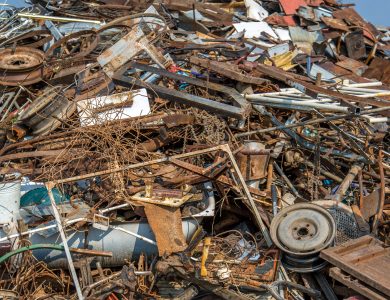
Industrial scrap metal recycling refers to the collection, processing, and repurposing of metal waste generated through industrial activities. Every year, Australian industries produce large quantities of scrap metal in the form of production offcuts, machinery components, structural steel, piping, electrical wiring, demolition materials, and obsolete equipment. Instead of sending these materials to landfill, they can be recovered and recycled into new products. This process not only helps reduce waste but also conserves natural resources and supports the growing circular economy, where materials are kept in use for as long as possible.
One of the primary reasons businesses invest in scrap metal recycling is the environmental impact. Mining and extracting raw materials require substantial amounts of energy and can cause significant environmental disruption. Activities such as land clearing, excavation, and transportation contribute to carbon emissions and habitat degradation. Recycling metal, on the other hand, requires considerably less energy than producing new metal from raw ore. For example, recycling aluminium can save up to 95 per cent of the energy required to manufacture new aluminium from bauxite. Similarly, recycling steel significantly reduces energy consumption and greenhouse gas emissions. By diverting scrap metal from landfill and reintroducing it into the manufacturing cycle, businesses can actively contribute to reducing Australia’s environmental footprint.
Beyond environmental advantages, industrial scrap metal recycling can also provide substantial financial benefits. Many businesses are surprised to discover the value hidden within their waste streams. Metals such as copper, aluminium, brass, stainless steel, and lead often have strong market demand and can generate additional revenue when sold to reputable recycling companies. Rather than paying disposal fees for metal waste, businesses can transform unwanted materials into a source of income. This can be particularly beneficial for industries that generate large quantities of scrap metal on a regular basis. Over time, recycling can contribute to lower operational costs and improved resource management, helping organisations strengthen their bottom line.
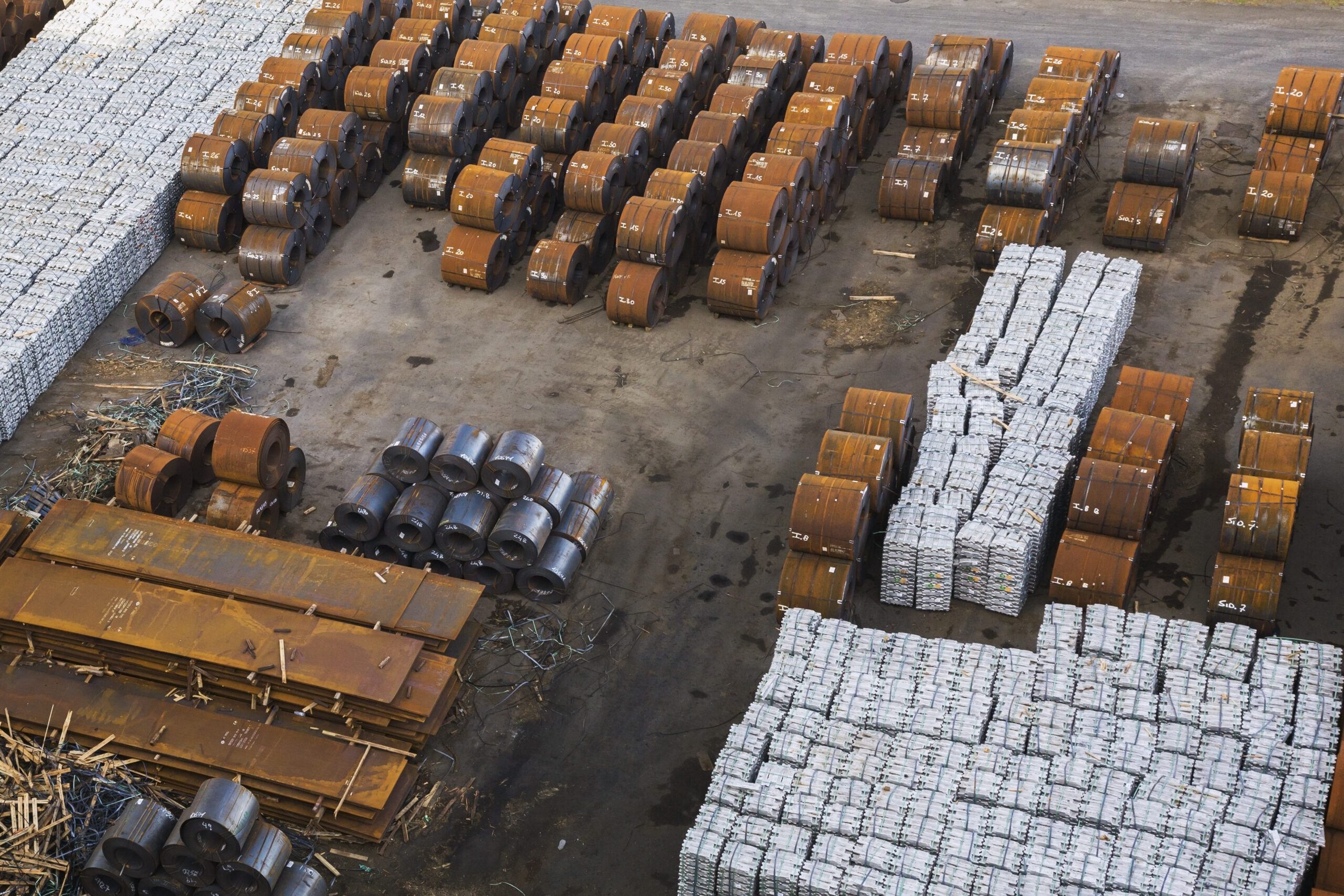
The types of scrap metal generated by businesses generally fall into two categories: ferrous and non-ferrous metals. Ferrous metals contain iron and include materials such as steel, cast iron, and stainless steel. These metals are commonly found in construction materials, industrial machinery, infrastructure components, and manufacturing equipment. Ferrous metals are highly recyclable and remain in strong demand due to their widespread use across various industries. Non-ferrous metals, on the other hand, do not contain iron and often have a higher market value. Examples include aluminium, copper, brass, zinc, nickel, and lead. These materials are frequently used in electrical systems, plumbing, automotive components, and specialised industrial applications. Understanding the difference between these metal categories can help businesses improve sorting processes and maximise the value of their recyclable materials.
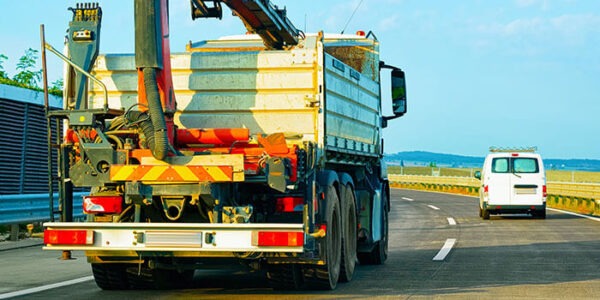
The industrial scrap metal recycling process typically begins with collection and segregation. Businesses should establish designated areas or containers for different types of metal waste to prevent contamination and simplify processing. Effective segregation at the source can improve recycling efficiency and increase the value of scrap materials. Once collected, the scrap metal is transported to a recycling facility where it undergoes sorting and processing. Modern recycling facilities utilise a range of technologies, including magnets, sensors, and manual inspection techniques, to identify and separate different metal types. Accurate sorting is essential because each metal requires specific recycling methods and has varying market values.
After sorting, the metal is processed to prepare it for recycling. Depending on the type and condition of the material, this may involve cutting, shredding, crushing, baling, or cleaning. These processes reduce the size of the material, remove contaminants, and make transportation and handling more efficient. The processed metal is then melted in specialised furnaces and refined to remove impurities. Once purified, the recycled metal can be formed into new raw materials ready for manufacturing. One of the remarkable aspects of metal recycling is that many metals can be recycled repeatedly without losing their structural integrity or quality. This makes metal one of the most sustainable materials available for industrial use.
For businesses looking to improve their recycling performance, conducting a waste audit is an excellent starting point. A waste audit helps identify the types and quantities of scrap metal generated throughout operations, providing valuable insights into potential recycling opportunities. By understanding where waste is produced and how it is managed, organisations can develop targeted strategies to improve efficiency and reduce disposal costs. Employee training also plays a critical role in successful recycling programs. Staff should understand the importance of proper segregation, contamination prevention, and safe handling practices. A well-informed workforce can significantly improve recycling outcomes and contribute to broader sustainability goals.
Choosing the right recycling partner is another important consideration. Businesses should work with reputable scrap metal recyclers that have experience handling industrial materials and comply with Australian environmental regulations. A reliable recycling provider can offer collection services, provide suitable containers, ensure proper processing, and deliver transparent reporting on recycling outcomes. Many businesses also benefit from establishing long-term partnerships with recycling companies, creating a more streamlined and cost-effective approach to waste management.
Industrial scrap metal recycling also supports corporate sustainability initiatives and enhances brand reputation. Customers, investors, and stakeholders increasingly expect businesses to demonstrate environmental responsibility. Organisations that actively recycle and reduce waste can strengthen their sustainability credentials and showcase their commitment to responsible business practices. In competitive industries, strong environmental performance can become a valuable differentiator, helping businesses attract environmentally conscious clients and partners. Additionally, recycling initiatives can contribute to achieving environmental, social, and governance (ESG) objectives, which are becoming increasingly important across both public and private sectors.
Australia’s growing focus on sustainability and resource recovery means that industrial scrap metal recycling will continue to play a vital role in the future of business operations. As technology advances and environmental regulations evolve, recycling processes are becoming more efficient and accessible than ever before. Businesses that embrace recycling today are positioning themselves for long-term success by reducing waste, conserving resources, and improving operational efficiency. Rather than viewing scrap metal as a disposal challenge, forward-thinking organisations are recognising it as a valuable asset with significant economic and environmental potential.
Conclusion
In conclusion, industrial scrap metal recycling offers a practical and effective solution for businesses seeking to improve sustainability while generating financial value. By implementing proper collection and sorting practices, partnering with experienced recyclers, and integrating recycling into broader environmental strategies, organisations can reduce their impact on the environment and create measurable business benefits. As industries across Australia continue to prioritise responsible resource management, scrap metal recycling will remain an essential component of modern business operations and a key contributor to a more sustainable future.