 By
By
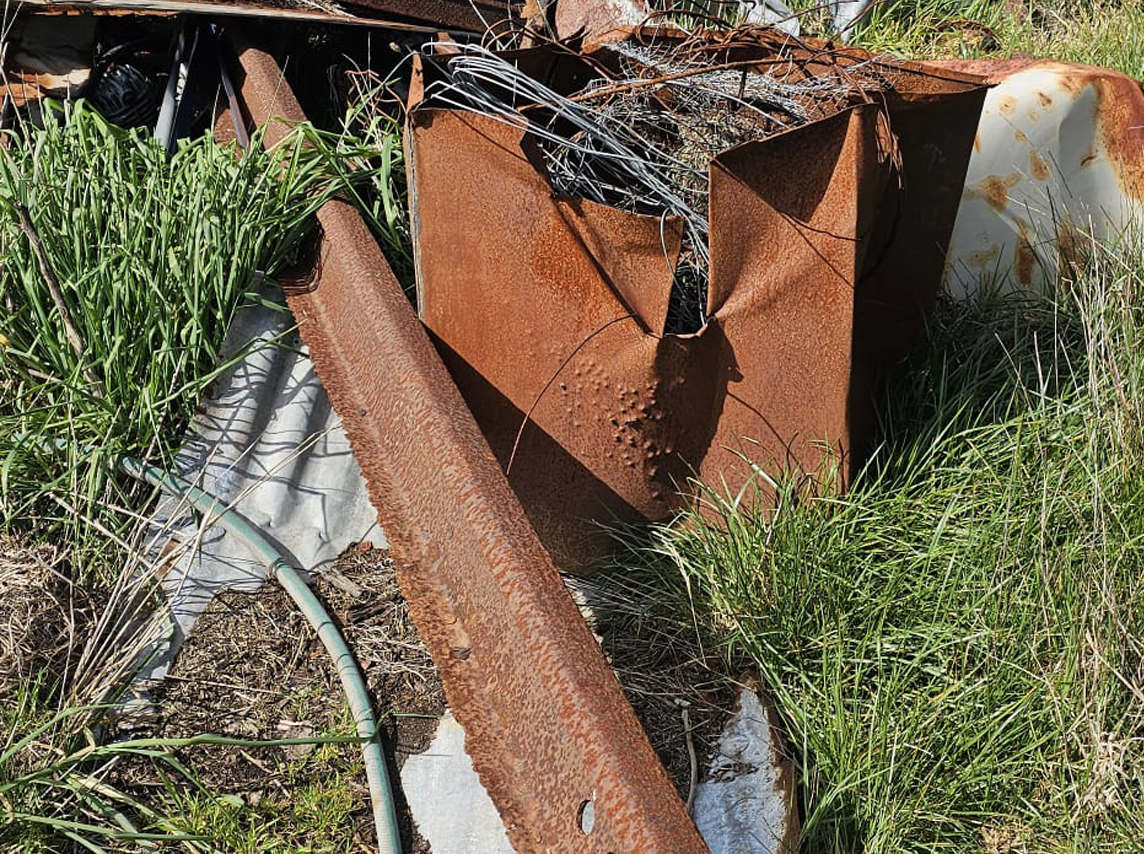
Recycling metal in Australia is not only an environmentally responsible choice but also a practical way to earn extra income in today’s economy. With increasing awareness around sustainability and a growing demand for recycled materials, many Australians are exploring scrap metal recycling as either a side hustle or a full-time venture. The amount you can earn largely depends on the type of metal you collect, the quantity, and how consistently you source it. Scrap metal is typically categorised into ferrous metals, such as steel and iron, and non-ferrous metals, including copper, aluminium, and brass. Non-ferrous metals are generally more valuable because they do not rust and can be recycled repeatedly without losing quality, making them highly sought after in the market.
Current scrap metal prices in Australia fluctuate based on global demand, economic conditions, and local supply, but they still provide a solid indication of earning potential. Copper, often considered the most profitable scrap metal, can fetch anywhere between $7 and $12 per kilogram, depending on its quality and whether it is stripped or insulated. Aluminium usually sells for around $1 to $3 per kilogram, while brass can range from $4 to $8 per kilogram. Stainless steel typically earns between $1 and $2.50 per kilogram, and standard steel or light iron is on the lower end, bringing in approximately $0.10 to $0.30 per kilogram. These price differences highlight why many recyclers prioritise collecting higher-value metals like copper and brass, as even small quantities can generate meaningful returns compared to bulkier but less valuable materials like steel.
The amount you can realistically earn from recycling metal varies depending on your level of involvement and access to scrap sources. For those who treat it as a casual activity, such as cleaning out household items, collecting roadside scrap, or recycling leftover materials from small projects, weekly earnings may range from $50 to $300. This is a common starting point and can be a simple way to make extra cash while decluttering. If you take a more consistent approach by actively sourcing scrap from construction sites, local tradespeople, or small businesses, your earnings can increase significantly, typically falling between $300 and $1,000 per week. This level of income usually requires reliable transport, such as a ute or trailer, and a proactive effort to build connections with people who regularly generate scrap metal.
For those who decide to pursue metal recycling more seriously as a full-time business, the earning potential can rise to between $1,000 and $3,000 or more per week. At this stage, it often involves establishing ongoing agreements with businesses, organising regular pick-ups, and focusing on high-volume or high-value materials. Efficiency becomes crucial, as sorting, cleaning, and storing metal properly can directly impact how much you are paid at the scrap yard. Building strong relationships with electricians, plumbers, builders, and industrial sites can provide a steady and reliable supply of valuable scrap, particularly copper wiring, piping, and other non-ferrous materials.
However, it is important to consider the costs involved, as recycling metal is not entirely profit without expenses. Fuel and transportation are often the biggest costs, especially if you are travelling frequently to collect and deliver scrap. Vehicle maintenance, tools such as gloves, cutters, and magnets, and the time and labour required for sorting and processing materials can also add up. If you scale your operations, you may need storage space or even additional equipment, which can further impact your overall profit margins. Managing these costs efficiently is essential to ensure that your recycling efforts remain financially worthwhile.
There are several practical ways to maximise your earnings in this space. Focusing on high-value metals like copper, brass, and aluminium can significantly boost your returns compared to collecting only low-value steel. Sorting your scrap properly and separating different metals before selling can also increase the price you receive, as mixed loads are often paid at a lower rate. Stripping insulation from copper wires is another effective strategy, as clean, bare copper commands a much higher price. Additionally, keeping an eye on market trends and holding onto scrap until prices improve can help you sell at more favourable rates. Building long-term relationships with reliable scrap sources can make a substantial difference, as consistent supply is key to maintaining steady income.
Metal recycling in Australia is also regulated to ensure ethical practices and prevent theft. Sellers are generally required to provide identification, and payments are often made through bank transfers rather than cash. Regulations can vary slightly between states, but working with licensed scrap yards and following the rules is essential to avoid any legal issues. While these measures may seem restrictive, they help maintain transparency and trust within the industry.
Beyond the financial aspect, recycling metal also contributes to a more sustainable future. It reduces the need for mining raw materials, conserves energy, and minimises waste sent to landfill. This means that while you are earning money, you are also playing a part in reducing environmental impact, which adds an extra layer of value to the work.
Overall, the amount you can earn from recycling metal in Australia today depends on your effort, strategy, and access to resources. Casual recyclers can make a few hundred dollars a week, while those who approach it more consistently or professionally can generate a reliable and scalable income. Although it requires time, organisation, and some upfront effort, metal recycling can be a worthwhile venture that balances financial gain with environmental responsibility, making it an increasingly attractive option for many Australians.