 By
Metal recycling plays an important role in building a more sustainable future by reducing waste, conserving natural resources and lowering the environmental impact of manufacturing. In Australia, where industries such as construction, manufacturing, automotive and infrastructure generate substantial amounts of metal waste, recycling provides an effective way to keep valuable materials in circulation. From discarded metal products to newly manufactured materials, the lifecycle of recycled metal involves several stages that contribute to a more resource-efficient economy.
Understanding how recycled metal moves from scrap to a reusable material highlights the importance of responsible waste management and the role recycling businesses play in supporting sustainability.
1. Collection and Sorting of Scrap Metal
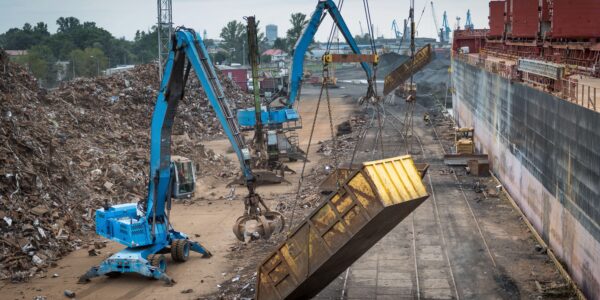
The lifecycle of recycled metal begins with the collection of scrap from residential, commercial and industrial sources. Old vehicles, household appliances, construction materials, machinery, electrical equipment, steel structures and manufacturing offcuts are some of the common sources of recyclable metal. Materials such as copper, aluminium, brass, stainless steel and iron can be recovered and processed for reuse.
Scrap metal is collected through dedicated recycling facilities, commercial scrap yards, industrial waste collection services and metal recovery programs. Businesses involved in demolition, construction and manufacturing often generate large quantities of scrap, making organised collection essential for efficient recycling.
Once collected, the metal is sorted according to its type, composition and quality. Ferrous metals, which contain iron, such as steel and cast iron, are separated from non-ferrous metals, including copper, aluminium, brass and zinc. Magnetic separation is commonly used to identify ferrous metals, while other sorting techniques help distinguish different non-ferrous materials.
Accurate sorting is essential because different metals have different melting points, properties and processing requirements. Proper segregation also helps minimise contamination and improves the quality of the recycled output.
2. Processing and Preparation
After sorting, scrap metal moves to the processing stage, where it is prepared for recycling. The methods used depend on the metal’s type, size, condition and intended application. Processing generally involves removing unwanted materials, reducing the size of scrap and preparing it for melting or further treatment.
Large metal objects, such as vehicle frames, industrial machinery and structural steel, may be cut, crushed or shredded into smaller pieces. This makes transportation, storage and subsequent processing more efficient. Scrap metal may also undergo cleaning to remove paint, oils, plastics, rubber, dirt and other contaminants that could affect the quality of the recycled material.
In some cases, specialised equipment is used to separate metals from mixed waste streams. For example, advanced sorting technologies can help recover valuable metals from complex scrap, improving the amount of material that can be recycled.
Proper preparation reduces processing difficulties, minimises material losses and helps ensure that the recycled metal meets the required quality standards. It also makes the recycling process more energy-efficient by allowing furnaces and other equipment to handle materials more effectively.
3. Melting and Purification
Once the scrap metal has been processed and prepared, it is transported to specialised recycling facilities, where it is melted down to create reusable raw materials. The melting process varies depending on the type of metal. Steel and iron are generally processed in furnaces designed for ferrous metals, while aluminium, copper and brass require different melting conditions.
Melting scrap metal typically requires less energy than producing metal from virgin ores. This can help reduce energy consumption and associated greenhouse gas emissions, although the actual savings depend on the metal, technology and energy source used.
During melting, impurities and unwanted substances are removed through purification and refining processes. Techniques such as filtration, chemical treatment and controlled refining help improve the quality and composition of the molten metal. This stage is particularly important for metals used in applications that require specific strength, durability and performance characteristics.
For example, recycled aluminium can be refined to achieve the properties needed for manufacturing new products, while recycled copper can be processed to meet the requirements of electrical and industrial applications. Effective purification ensures that recycled metals can be used in a wide range of industries without compromising their intended performance.
4. Solidification and Manufacturing
Following melting and purification, the molten metal is poured into moulds or processed through casting systems to form solid metal products. Depending on the intended use, recycled metal may be converted into ingots, billets, sheets, bars, slabs or other standardised forms.
These processed materials are then supplied to manufacturers, where they are transformed into new products. Recycled steel, for instance, can be used in construction materials, automotive components, machinery and infrastructure. Recycled aluminium is commonly used in beverage cans, vehicle parts, window frames and packaging, while recycled copper is valuable in electrical wiring, plumbing systems and industrial equipment.
The manufacturing stage gives scrap metal a new purpose, allowing it to re-enter the supply chain instead of being discarded as waste. Recycled metals can often be used alongside primary metals, depending on the required specifications and the quality of the recovered material.
This process demonstrates how recycling supports a circular economy, where materials are kept in use for as long as possible. Rather than following a traditional linear model of extraction, production and disposal, recycled metal can move through multiple product lifecycles, reducing the demand for newly mined resources.
5. Reuse, Recovery and Sustainability
The final stage of the recycled metal lifecycle begins when newly manufactured products reach consumers, businesses and industries. These products may remain in use for years or even decades before they eventually become scrap themselves. Once collected and processed again, their metal content can re-enter the recycling cycle.
One of the most significant environmental benefits of metal recycling is the conservation of natural resources. Mining virgin metal ores requires land clearing, excavation, transportation and extensive processing. Recycling reduces reliance on these activities and helps preserve finite mineral resources.
Metal recycling can also reduce the amount of waste sent to Australian landfills, where discarded materials occupy valuable space and may contribute to long-term environmental challenges. Recovering metals from construction waste, industrial by-products and end-of-life products helps divert reusable materials away from disposal.
Additionally, recycling can reduce the energy required for metal production and lower associated emissions. The extent of these benefits varies between metals and recycling processes, but recovering valuable materials generally offers opportunities to improve resource efficiency.
For Australian businesses, recycling also supports more responsible waste management and can create economic value from materials that would otherwise be discarded. Partnering with professional metal recycling facilities helps businesses manage scrap more efficiently, recover valuable resources and contribute to broader sustainability objectives.
Building a Sustainable Future Through Metal Recycling
The journey of recycled metal, from collection and sorting to processing, manufacturing and reuse, demonstrates how valuable resources can remain in circulation. Each stage plays an important role in reducing waste, conserving raw materials and supporting more sustainable industrial practices.
As Australia’s industries continue to focus on resource efficiency and environmental responsibility, metal recycling will remain an important part of the transition towards a circular economy. By choosing responsible recycling practices, businesses and individuals can help minimise landfill waste, reduce the demand for virgin resources and support a more sustainable future.
At Resteel Recycling Australia, responsible metal recovery helps give scrap a new purpose, turning discarded materials into valuable resources for the industries of tomorrow.