 By
By
Recycling scrap metal is one of the most effective ways to reduce waste, conserve natural resources, and support a more sustainable environment. Metals such as aluminium, steel, copper, and brass can be recycled repeatedly without losing quality, making them highly valuable materials. Whether you’re recycling household items, construction offcuts, or industrial scrap, a common question often arises: do you need to clean or sort scrap metal before recycling it?
The short answer is yes—but not to an extreme degree. A basic level of preparation goes a long way in making the recycling process smoother, more efficient, and more environmentally responsible.
Scrap metal recycling facilities are designed to handle large volumes of material, but contamination and mixed metals can slow down operations and increase processing costs. When scrap arrives relatively clean and sorted, it allows recyclers to process materials faster, use less energy, and produce higher-quality recycled metal. For individuals or businesses selling scrap, proper preparation can also mean better returns and fewer rejections at the recycling centre.
Cleaning Scrap Metal Before Recycling
Cleaning scrap metal doesn’t mean making it look brand new. In most cases, recyclers simply expect the metal to be free from excessive dirt, grease, food waste, and hazardous substances. For example, aluminium cans should be emptied and lightly rinsed to remove leftover liquids or food residue. Automotive or industrial scrap should have oil, fuel, or other fluids drained before being taken for recycling.
Large amounts of grease, mud, or chemical residue can interfere with the melting process and may pose safety risks at recycling facilities.
The importance of cleaning scrap metal lies in both efficiency and environmental protection. Clean metal melts more evenly, requires less energy to process, and produces fewer emissions. Contaminants such as plastic, rubber, or chemicals can release harmful pollutants when burned or melted, which is why recyclers prefer materials that are as clean as reasonably possible. While small amounts of residue are usually acceptable, heavily contaminated scrap may be rejected or accepted at a lower value.
Cleaning is especially important for items such as food containers, copper wiring, car parts, and machinery. Removing obvious non-metal attachments such as plastic handles, insulation, or wooden components helps ensure the metal can be recycled properly. Taking a few extra minutes to prepare scrap metal makes the process safer and more effective for everyone involved.
Sorting Scrap Metal Before Recycling
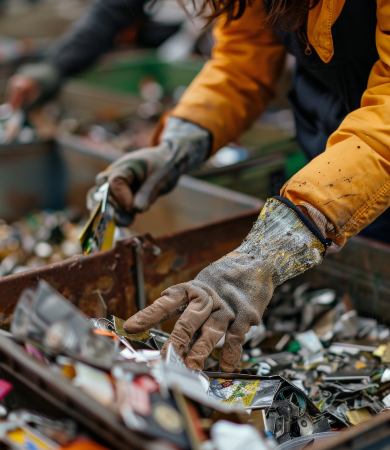
Sorting scrap metal is just as important as cleaning it. Different metals have different properties and recycling processes, so separating them helps recyclers work more efficiently. Scrap metal is generally divided into ferrous metals, which contain iron and are magnetic, and non-ferrous metals, which do not contain iron and are typically more valuable. Aluminium, copper, brass, and stainless steel all fall into the non-ferrous category and are usually processed separately.
Sorting scrap metal at home or on-site doesn’t require specialised tools or technical knowledge. A simple magnet can help identify ferrous metals, and separating items by type can significantly improve recycling outcomes. Mixed scrap may still be accepted by recycling facilities, but it is often priced lower because additional labour and equipment are required to sort it. In some cases, recyclers may charge sorting fees or refuse heavily mixed loads altogether.
Proper sorting benefits both recyclers and those bringing in scrap. It reduces processing time, improves the quality of recycled materials, and increases the likelihood of receiving better returns for valuable metals. Even basic sorting—such as separating aluminium cans from steel items or copper wire from general scrap—can make a noticeable difference.
When Cleaning and Sorting May Be Less Critical
There are situations where cleaning and sorting scrap metal is less demanding, such as kerbside recycling programmes or large commercial scrap yards with advanced sorting equipment. Many municipal recycling programmes accept lightly rinsed metal containers and handle sorting internally.
Similarly, some large scrap yards use magnetic separators and industrial machinery to sort metals automatically. However, even in these cases, cleaner and better-organised scrap still improves efficiency and reduces environmental impact.
Certain items require special handling regardless of where they are recycled. Car batteries, appliances containing refrigerants, and electronic waste often have specific recycling requirements due to hazardous components. It’s always a good idea to check with your local recycling centre or scrap yard to understand their guidelines before dropping off these materials.
Final Thoughts
So, do you need to clean or sort scrap metal before recycling? Yes—but it doesn’t need to be complicated. Basic cleaning to remove obvious contaminants and simple sorting by metal type can significantly improve the recycling process. These small efforts help recyclers operate more efficiently, reduce energy use, and produce higher-quality recycled metal.
For individuals and businesses alike, proper preparation can also mean better returns and fewer hassles.
Recycling scrap metal is already a positive step for the environment. By taking a little extra time to clean and sort your scrap, you maximise the benefits for yourself, the recycling industry, and the planet.