 By
By
Have you ever wondered what actually happens after you drop off scrap metal at a recycling yard? Whether it’s an old washing machine, leftover construction materials, aluminium cans, copper wiring, or even a rusted car, that pile of metal doesn’t just sit there. It enters a highly organised, technology-driven process designed to recover valuable materials and return them to the manufacturing cycle.
Here’s a behind-the-scenes look at what really happens and how your simple act of recycling plays an important role in conserving energy, protecting natural resources, and supporting the economy.
From Drop-Off to Sorting
The journey begins the moment you arrive at the scrap yard. Most facilities start by weighing your materials. Large loads are driven onto truck scales, while smaller quantities are measured using industrial scales to ensure accurate tracking and payment.
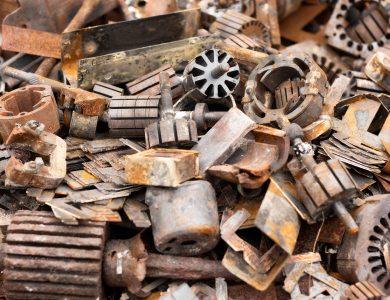
Next comes inspection. Staff assess the scrap to identify the type of metal and check for contamination. Metals are generally divided into two main categories:
- Ferrous metals – contain iron (such as steel and cast iron)
- Non-ferrous metals – do not contain iron (such as copper, aluminium, brass, and stainless steel)
This distinction matters because non-ferrous metals are typically more valuable and require different processing methods. Hazardous items such as batteries, sealed containers, or materials with chemical residue are removed to maintain safety standards.
After inspection, the scrap moves to sorting-one of the most critical stages in the process. Clean, well-separated metals produce higher-quality recycled materials. Ferrous metals are separated using powerful magnets, while non-ferrous metals are sorted using advanced technology such as eddy current separators, sensors, and, in some cases, manual inspection. Even minor differences in composition matter, as each metal has its own melting point and industrial use.
Processing and Transformation
Once sorted, the metal is prepared for transformation. Large items such as vehicles and appliances are fed into industrial shredders, breaking them down into smaller fragments. Shredding makes transportation easier, speeds up the melting process, and helps separate any remaining non-metal materials like plastic or rubber.
After shredding, the material may go through cleaning and purification stages. Air systems remove lighter materials, while washing systems eliminate dirt and debris. The aim is to ensure that only clean metal proceeds to the next stage.
The cleaned metal is then melted in large industrial furnaces. Different metals require different temperatures—aluminium melts at a much lower temperature than steel or copper. Because recycled metal has already been refined once, it requires significantly less energy to melt compared to producing metal from raw ore. For instance, recycling aluminium can save up to 95% of the energy required to produce it from scratch.
As the metal melts, impurities rise to the surface and form a layer known as slag, which is removed. The purified molten metal may then undergo additional quality checks to ensure it meets industry standards. Recycled metal must perform just as reliably as newly produced material and often, it is virtually indistinguishable in quality.
Once purified, the molten metal is poured into moulds to form ingots, billets, sheets, or bars. These standardised forms are easier to transport and supply to manufacturers.
Where It Ends Up and Why It Matters
After solidifying, the recycled metal is sent to factories, where it is used to create new products. It may return as a car frame, construction beam, appliance, beverage can, or electrical wiring. In some cases such as aluminium cans, the turnaround time can be as short as a few months.
The environmental benefits of this process are significant. Recycling scrap metal reduces the need for mining, which is both resource-intensive and environmentally disruptive. It saves substantial amounts of energy, lowers greenhouse gas emissions, and keeps large volumes of waste out of landfill. Since metals can be recycled repeatedly without losing strength or quality, they remain one of the most sustainable materials available.
Beyond environmental benefits, scrap metal recycling also contributes to the economy. It creates jobs, supports local businesses, stabilises material supply chains, and provides income opportunities for individuals and industries alike. Scrap yards are not just storage areas for discarded materials they are essential to a global circular economy where resources are reused rather than wasted.
When you drop off scrap metal, you’re taking part in a much larger system. What may seem like waste is actually valuable raw material ready to be transformed. Through careful sorting, advanced technology, and energy-efficient processing, that scrap is given a new life.
So, the next time you unload old metal at a recycling facility, remember it’s not the end of the story. It’s the beginning of a new one.