
 By
As climate change continues to affect communities, industries and ecosystems around the world, businesses and individuals are looking for practical ways to reduce their environmental impact. While renewable energy, energy efficiency and sustainable transport are often at the centre of climate discussions, metal recycling is another important solution that can help reduce emissions and conserve valuable natural resources.
From steel and aluminium to copper and other recyclable metals, recycling allows materials to remain in use for longer, reducing the need to rely entirely on newly mined resources. For Australian businesses, construction companies, manufacturers and households, responsible metal recycling offers an opportunity to support a circular economy while managing scrap materials more sustainably.
But how exactly does metal recycling help fight climate change? Let’s explore the environmental benefits and why choosing a responsible recycling partner, such as Resteel Recycling, can make a difference.
1. Reducing Greenhouse Gas Emissions Through Recycling
One of the most significant ways metal recycling contributes to climate action is by reducing the energy required to manufacture metals. Producing metals from virgin raw materials typically involves mining, processing, refining and manufacturing, all of which require substantial energy and can generate greenhouse gas emissions.
Recycling metals can reduce the need for some of these energy-intensive processes. For example, recycled aluminium requires approximately 5% of the energy used to produce primary aluminium, according to the Australian Aluminium Council. This significant reduction in energy demand can also lead to lower greenhouse gas emissions, although the exact savings depend on the recycling process and its energy sources.
Steel recycling also contributes to emissions reduction by allowing scrap steel to be used as a raw material in steelmaking. Australia’s Department of Industry, Science and Resources notes that every tonne of scrap used in steel production can avoid approximately 1.5 tonnes of carbon dioxide emissions, based on World Steel Association data.
By recovering and processing scrap metal, recycling businesses help ensure that valuable materials can return to manufacturing supply chains rather than being discarded.
2. Conserving Natural Resources and Reducing Mining Pressure
Mining plays a major role in supplying the raw materials needed to manufacture metals. Iron ore, bauxite, copper ore and other mineral resources are extracted from the earth to meet industrial demand. While these materials are essential to modern infrastructure and manufacturing, mining can contribute to land disturbance, energy consumption and environmental pressures.
Metal recycling provides an alternative source of raw materials by recovering metals that have already been extracted and used. This helps reduce the need for virgin resources in certain manufacturing applications.
For instance, recycling steel can save substantial quantities of iron ore, coal and limestone. The Australian Steel Institute reports that recycling 1,000 kilograms of steel scrap can save more than 1,400 kilograms of iron ore, 740 kilograms of coal and 120 kilograms of limestone, based on cited industry data.
Recycling does not eliminate the need for mining, as the demand for new metal and the availability of scrap vary. However, it supports more efficient resource use and helps extend the value of materials already in circulation.
3. Supporting a Circular Economy
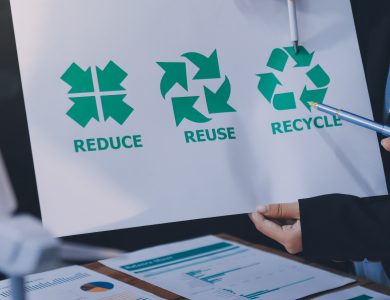
A circular economy focuses on keeping products and materials in use for as long as possible. Instead of following a linear model of extracting resources, manufacturing products and disposing of waste, a circular approach prioritises reuse, repair, recovery and recycling.
Metals are particularly valuable in a circular economy because many of them can be recycled repeatedly while retaining important material properties. Steel, for example, can be recycled into new steel products, while aluminium can be recycled multiple times without losing its fundamental properties.
When scrap metal is collected and processed correctly, it becomes a resource rather than simply waste. Old machinery, vehicle parts, construction materials, metal offcuts and other discarded items can potentially be recovered for use in new manufacturing processes.
This reduces the demand for continuously extracting new resources and encourages industries to consider the entire life cycle of the materials they use.
4. Reducing Waste Sent to Landfill
Although metal recycling is primarily associated with recovering valuable materials, it also helps reduce the quantity of recyclable waste sent to landfill.
Metal items that are incorrectly discarded can occupy landfill space and represent a lost opportunity to recover useful resources. When recyclable metal is separated and directed to appropriate recycling facilities, it can be processed for potential reuse in manufacturing.
The environmental benefit depends on the material, collection system, processing requirements and the alternative waste management method. The NSW Environment Protection Authority has assessed the environmental impacts of recycling different materials, including steel, aluminium and copper, through life cycle assessment methods that consider factors such as greenhouse gas emissions, energy consumption and resource conservation.
For this reason, recycling should not simply be viewed as a way to remove unwanted items. It is also a means of recovering resources and improving the efficiency of material management.
5. Choosing a Responsible Metal Recycling Partner
The environmental benefits of recycling depend partly on how efficiently materials are collected, sorted, processed and directed towards end markets. This makes choosing an appropriate recycling partner an important consideration for businesses managing scrap metal.
A suitable recycling provider should be able to explain the types of materials it accepts, collection arrangements, handling requirements and applicable processes. Businesses can also ask about material recovery, documentation and responsible management practices.
For customers considering Resteel Recycling, understanding the types of metal accepted, available collection services and operational requirements can help them plan their scrap disposal more effectively. The right approach will depend on the materials involved, the location and the quantity of scrap being handled.
Effective recycling is not only about removing unwanted metal. It is about ensuring that recovered materials have a practical route back into the supply chain.
Metal recycling is an important part of the transition towards more sustainable resource use. By reducing the demand for some virgin raw materials, lowering energy requirements in certain production processes and supporting material recovery, recycling can contribute to climate change mitigation.
From aluminium cans and steel components to industrial scrap and construction offcuts, recyclable metals can retain their value beyond their original use. The environmental benefits depend on responsible collection, efficient processing and the wider manufacturing system.
For Australian businesses and households, making informed recycling decisions is a practical step towards reducing waste and supporting a circular economy.