 By
By
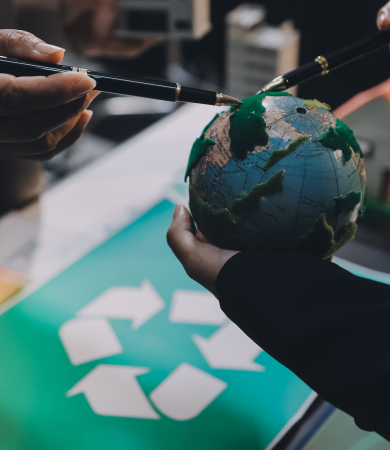
The circular economy represents a transformative shift in how societies produce, consume, and manage resources. Moving beyond the traditional linear model of “take, make, dispose,” the circular economy seeks to eliminate waste and pollution, keep products and materials in use for as long as possible, and regenerate natural systems. It is an approach that prioritises sustainability and resource efficiency, aiming to decouple economic growth from the consumption of finite resources. In Australia, where environmental concerns are increasingly at the forefront of public discourse, companies like Resteel Recycling are playing a pivotal role in advancing circular economy principles through innovative metal recycling practices.
How Exporting Recycled Metals Drives the Circular Economy
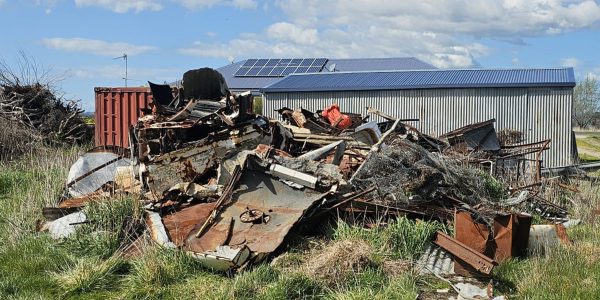
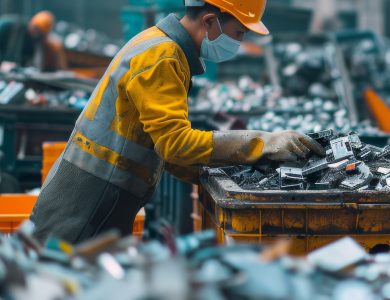
When old cars, machinery, building materials, and appliances reach the end of their life, they still contain valuable metals that can be recovered and used again. Instead of letting this scrap metal end up in landfill, responsible recycling companies collect and process it into high-quality raw materials. These materials can be used to make everything from new cars and construction beams to electronics and packaging. By exporting these recycled metals, Australia ensures that the global supply chain has access to sustainable, low-carbon resources, and keeps valuable materials circulating, rather than being wasted.
Exporting recycled metals directly supports the circular economy by closing the loop. Instead of relying on mined ore, which is energy-intensive and damaging to the environment, manufacturers in countries across Asia, Europe, and beyond can use scrap steel, copper, aluminium, and other metals from Australia. This reduces the pressure on natural resources and helps keep the benefits of recycling flowing beyond our borders. With over 2.5 million tonnes of scrap steel alone exported yearly, and metals making up the largest share of Australia’s recycled exports, the environmental and economic impact is significant.
Environmental Advantages of Exporting Recycled Metals
Recycling metals instead of mining them from raw ore uses far less energy and produces fewer greenhouse gas emissions. For example, recycling aluminium saves up to 95 per cent of the energy compared to producing it from bauxite, and recycling steel saves between 60 and 74 per cent compared to producing steel from iron ore. Because much of Australia’s scrap metal is exported to countries that have invested in modern, clean recycling facilities, the metal can be turned into new products with minimum environmental impact.
This process not only slashes carbon emissions but also helps reduce the destruction of natural habitats, water use, and pollution linked to mining and processing raw minerals. Overall, every tonne of metal that is recycled and exported means fewer emissions and less waste for the planet. By providing a reliable stream of recycled metals, Australian companies like Resteel Recycling help manufacturers worldwide lower their carbon footprint while supporting climate goals set by governments and industries alike.
The world’s demand for metals is growing, driven by sectors like construction, transport, electronics, and renewable energy. However, mining new metal comes with costs in both money and environmental harm. Exporting recycled metals from Australia offers an efficient solution to these challenges. It supplements the raw material supply, helps stabilise prices, and reduces dependency on mining. Many Asian countries, for example, rely on imports of scrap metal to fuel their steel and metalmaking industries, which support jobs and infrastructure.
Another benefit is that recycled metal can often be processed more quickly and cleanly than mined material. With careful sorting, cleaning, and preparation, exporters like Resteel Recycling ensure that their shipments meet the quality requirements of international markets. This helps foster strong trade relationships and keeps Australia relevant in the evolving global economy.
Supporting Australia’s Own Circular Economy
Exporting recycled metals does not just benefit overseas industries. It also supports jobs and local industry here in Australia. Metal recycling is a critical part of the nation’s waste management sector. According to recent government reports, Australian companies exported about 4.25 million tonnes of recycled material in 2020–21, with metals as the largest component by value.
By keeping the collection, processing, and export of recycled metals going strong, companies like Resteel Recycling help create lasting employment and investment in Australian communities. They support a cleaner environment at home, minimise landfill, and promote responsible waste practices among businesses and individuals.
Ensuring Quality and Trust Through Transparency
A key part of supporting the circular economy on a global scale is ensuring that recycled metals are processed, sorted, and tracked with honesty and care. Resteel Recycling is known for its trustworthy and transparent practices, from fair weighing of scrap to providing clear receipts and helpful customer service. This reputation for reliability makes them a trusted partner for clients and international buyers, supporting the entire recycling chain with professionalism.
Australian recyclers operate under strict environmental and export regulations, ensuring that exported materials are safe, high quality, and suitable for overseas manufacturing. This focus on compliance and integrity reassures buyers around the world and helps maintain Australia’s reputation as a dependable supplier of recycled metals.
Challenges and the Road Ahead
Although Australia has a strong recycling industry, there are still challenges to overcome. While exports are high in value and help other countries move away from mining, Australia currently exports most of its scrap rather than using it to develop its own local industries. Government programs and investment in technology are likely to strengthen both export and local recycling. As more industries and governments focus on waste reduction, resource conservation, and climate action, the demand for quality recycled metals will only increase. Resteel Recycling is ready to meet this demand, with advanced processes and a reliable network.
Conclusion
By collecting, processing, and exporting recycled metals, Resteel Recycling helps bridge the gap between local recycling and global sustainability. Their strong focus on trust, innovation, and responsible practices means that every shipment of scrap metal is not just a business transaction, but a step toward a cleaner, more sustainable world. This supports the global circular economy, where metals are reused and kept in circulation, cutting down on waste and emissions both in Australia and overseas. In doing so, Resteel Recycling plays a vital role in making sure valuable resources continue to benefit people, industries, and the environment, both now and for generations to come.